
Welcome To Blogs & Articles
Fuel Your Life Right

Boost Your Body, Elevate Your Mind: The Power of Mental Well-being
We often focus on sweat and reps when it comes to health and fitness, but…

Fuel Your Day: Why What You Eat Determines How You Feel
Energy levels aren’t just about how much sleep you got last night – they’re directly…

Exercise as “Medicine” Mindset
The “Exercise as Medicine” mindset marks a vital shift in how we view physical activity….
Empowering Your Fitness Journey: A Guide to Healthy Living
The Importance of a Health-Focused LifestyleIn today’s fast-paced world, maintaining a health-focused lifestyle is essential….
Small Daily Habits That Make a Big Health Difference
We all want to live a little healthier, to have more energy, feel lighter, and wake up ready to take on the day. But the truth is, lasting health doesn’t come from big, overnight changes. It’s built one small habit at a time.
If you’ve ever felt stuck or overwhelmed trying to start a new health routine, take a deep breath, you’re not alone. The secret isn’t perfection; it’s consistency.
Here are three simple, powerful habits that can make a real difference starting today:
💧 1. Drink Water First Thing in the Morning
Before you reach for coffee or your phone, start your day with a glass of water. Drinking water replenishes the the fluid loss throughout your sleep through perspiration and respiration. Water helps wake up your body, rehydrates your system and gives you a natural energy boost. It helps flush out toxins which in turn boost metabolism.
A hydrated body means clearer skin, better focus, and improved digestion, all from one small habit.
Try this: Keep a glass or bottle beside your bed so it’s the first thing you see when you wake up.

🚶♀️ 2. Move a Little Every Day
You don’t need an hour at the gym to be active. A simple 10–15 minute walk, some stretching, or even dancing while you cook, it all counts.
Movement keeps your body strong, your mind clear, and your energy flowing.
Remember: The best exercise is the one you’ll actually do.




☀️ 3. Get a Little Sunshine
Natural sunlight is one of the easiest ways to boost your mood and energy levels. Even 5–10 minutes outside can increase vitamin D, support your immune system, and help regulate your sleep.
Tip: Step outside for a quick walk after breakfast or during lunch. Breathe deeply and soak up the light.

The Bottom Line
Healthy habits don’t have to be complicated. When you start small and stay consistent, those tiny changes grow into a lifestyle that lasts.
So this week, pick just one habit to start with and build from there. Real health isn’t about doing everything perfectly, it’s about showing up for yourself, one step at a time. Be consistent.
✨ Your journey to better health starts today and it starts with something simple.
This post may contain affiliate links, which means we may receive a commission, at no extra cost to you, if you make a purchase through a link. See full disclosure .
Healthy Eating Basics: Simple Guidelines for Better Nutrition
Get a copy of My Go-To Green Juice Recipes on the ‘About” Page.
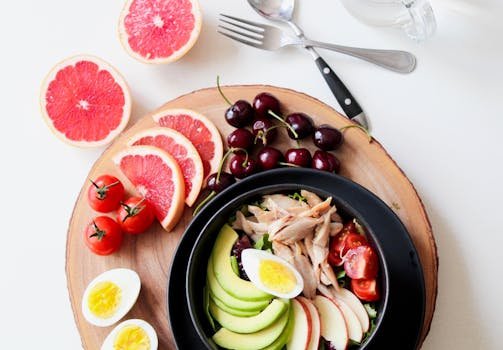
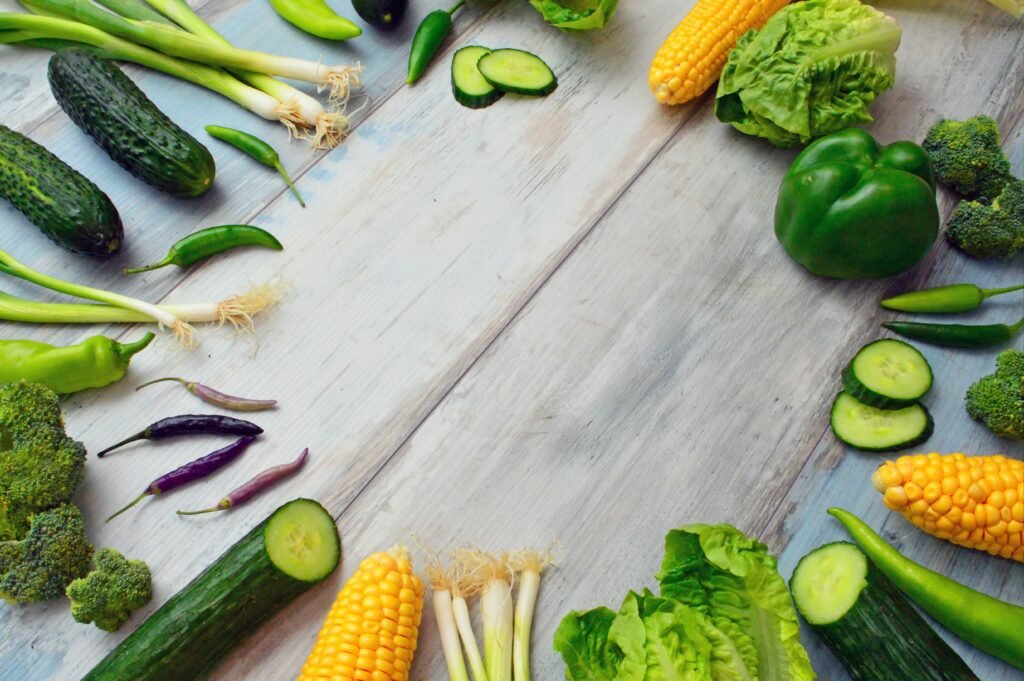
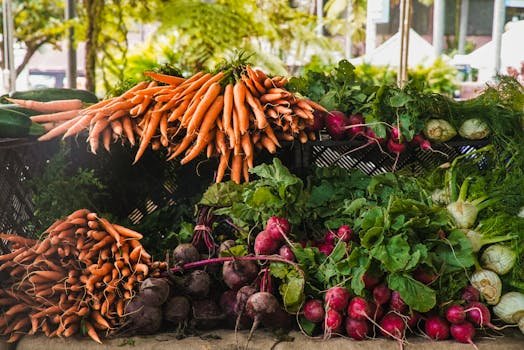
The foundation of healthy eating starts with filling half your plate with colorful vegetables and fruits at each meal. This simple visual guide ensures you’re getting a variety of vitamins, minerals, and fiber while naturally crowding out less nutritious options. Choose a rainbow of produce throughout the week – dark leafy greens, orange carrots and sweet potatoes, red bell peppers, and purple cabbage – as different colors provide different nutrients your body needs to function optimally.
Protein and whole grains should make up the remaining half of your plate, with protein taking up about a quarter and complex carbohydrates filling the rest. Lean proteins like chicken, fish, beans, eggs, or tofu help build and repair muscles while keeping you satisfied longer. Whole grains such as brown rice, quinoa, and whole wheat bread provide sustained energy and important B vitamins, unlike refined grains that cause blood sugar spikes and crashes.
See these Healthy and Tasty Plant Based Recipes.
The key to sustainable healthy eating is consistency rather than perfection, along with staying properly hydrated throughout the day. Aim to drink water before you feel thirsty, and limit sugary beverages that add empty calories without nutritional value. Don’t stress about occasional treats or less-than-perfect meals – focus on making nutritious choices most of the time, and remember that healthy eating is a long-term lifestyle, not a short-term restriction.


This post may contain affiliate links, which means we may receive a commission, at no extra cost to you, if you make a purchase through a link. See full disclosure .
Overcoming Common Nutrition Challenges
Breaking the Late-Night Snacking Habit for Good
Late-night snacking often stems from boredom, stress, or genuine hunger from inadequate daytime eating. Start by evaluating whether you’re eating enough protein and fiber throughout the day, as insufficient nutrition can trigger evening cravings. Create a “kitchen closed” rule after dinner by brushing your teeth, turning off kitchen lights, or engaging in a relaxing activity like reading or taking a warm bath. If you’re genuinely hungry, prepare healthier late-night options in advance like Greek yogurt with berries, a small handful of nuts, or herbal tea that can satisfy without derailing your health goals.
Dealing with Food Cravings Without Giving Up Your Favorites
The key to managing cravings is understanding that completely restricting foods often leads to overeating them later. Instead, practice the 80/20 rule where 80% of your food choices are nutritious and 20% can include treats you enjoy. When a craving hits, wait 10-15 minutes and drink water first, as thirst is often mistaken for hunger. If the craving persists, have a small portion of what you’re craving alongside something healthy, like pairing a few pieces of chocolate with almonds, which helps satisfy the desire while adding nutritional value and preventing overconsumption. Try these delicious and healthy alternatives.
Eating Well When You Travel Frequently for Work
Successful eating while traveling requires planning ahead and making smart choices within your constraints. Pack portable healthy snacks like protein bars, nuts, dried fruit, or individual nut butter packets to avoid relying solely on airport or convenience store options. Research restaurants near your hotel or meeting locations in advance, looking for menu items that include lean proteins and vegetables. At restaurants, don’t hesitate to make simple modifications like requesting dressings on the side, grilled instead of fried proteins, or substituting vegetables for fries. Stay hydrated during flights and long travel days, as dehydration can increase hunger and make you more likely to reach for unhealthy convenience foods.

This post may contain affiliate links, which means we may receive a commission, at no extra cost to you, if you make a purchase through a link. See full disclosure
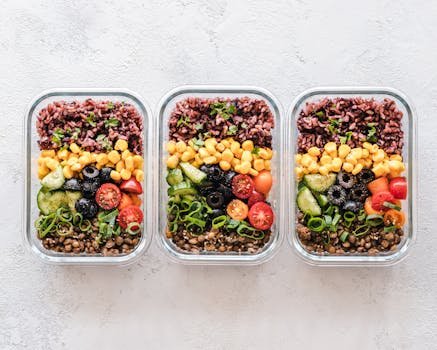
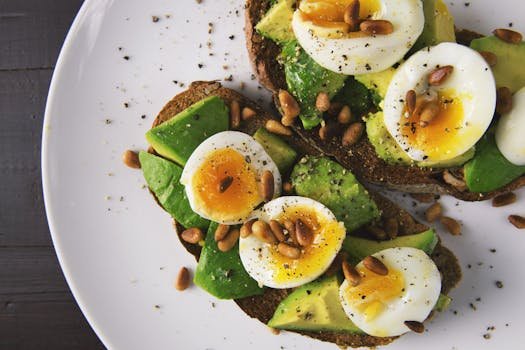
🌱 Plant-Based Diets: Can You Get Enough Protein?
In recent years, plant-based diets have grown from a niche lifestyle choice to a mainstream movement. Whether for health reasons, environmental concerns, or ethical values, more people are embracing meals built around plants. But one question still lingers in the minds of many: Can you really get enough protein on a plant-based diet?
🧠 The Protein Concern
Protein is essential — it helps build muscle, repair tissues, and support immune function. For those transitioning away from meat, poultry, and dairy, it’s natural to worry whether tofu, lentils, and quinoa can match up.
The good news? Yes, you absolutely can get enough protein on a plant-based diet — if you plan it right.
🌾 What Is Protein, Really?
Protein is made up of amino acids — nine of which are essential because your body can’t make them on its own. Animal-based sources are considered “complete proteins” because they contain all nine. Many plant sources are “incomplete,” but by combining different protein-rich plants throughout the day, you can still meet your needs.
🥦 Top Plant-Based Protein Sources
Here are some protein-packed options for plant-based eaters:
- Lentils – ~18g per cooked cup
- Chickpeas (Garbanzo Beans) – ~15g per cooked cup
- Tofu & Tempeh – ~10–20g per serving
- Quinoa – ~8g per cooked cup (and it’s a complete protein!)
- Chia Seeds – ~5g per 2 tablespoons
- Hemp Seeds – ~10g per 3 tablespoons
- Nuts & Nut Butters – 5–8g per serving
- Edamame – ~17g per cup
- Oats – ~5g per half cup
These foods are not only rich in protein but also loaded with fiber, antioxidants, and healthy fats.
📊 How Much Protein Do You Need?
For the average adult, the Recommended Dietary Allowance (RDA) is 0.8 grams of protein per kilogram of body weight. That’s about 46g for women and 56g for men per day — though active individuals or those building muscle may need more.
Example:
If you weigh 70 kg (about 154 lbs), you’d need about 56g of protein daily. Just one bowl of lentil stew, a tofu stir-fry, and a smoothie with hemp seeds can easily meet that.
💡 Tips to Maximize Plant Protein Intake
- Mix It Up: Combine grains with legumes (like rice and beans) to get all essential amino acids.
- Snack Smart: Keep nuts, protein bars, or hummus on hand.
- Use Supplements If Needed: Consider a plant-based protein powder if you have higher needs (e.g., athletes or bodybuilders).
- Eat Enough Calories: Undereating can make it harder to hit your protein goals.
🚀 Final Thoughts
Yes, you can get enough protein on a plant-based diet — and it can be delicious, diverse, and nutrient-dense. With a bit of awareness and planning, plants can more than meet your protein needs while offering bonus benefits like better digestion and reduced inflammation.
Whether you’re fully plant-based or just experimenting with Meatless Mondays, rest assured: your muscles, organs, and overall health can thrive on plants. Try these delicious Recipes
Have you tried a plant-based diet? They have potential benefits and may reduce the risk of some diseases. 🌱💬
This post may contain affiliate links, which means we may receive a commission, at no extra cost to you, if you make a purchase through a link. See full disclosure
The Truth About Sugar and Hidden Ingredients: What You Really Need to Know
When it comes to living a healthier lifestyle, one of the first things most people try to cut back on is sugar. And while that’s a great place to start, the truth is: sugar isn’t just hiding in your cookies and sodas. It’s lurking in your so-called “healthy” foods too — and often under names you don’t recognize. Check out these healthy and tasty recipes.
Let’s uncover the truth about sugar and the hidden ingredients that could be sabotaging your health goals.
Why Sugar Is a Problem
Sugar isn’t inherently evil — our bodies do need glucose to function. The problem lies in the amount and type of sugar we consume. Excessive sugar intake is linked to:
- Weight gain and obesity
- Type 2 diabetes
- Inflammation
- Heart disease
- Fatty liver disease
- Mood swings and energy crashes
According to the American Heart Association, the recommended daily sugar intake is no more than 6 teaspoons (25 grams) for women and 9 teaspoons (38 grams) for men. The average person consumes far more — often without realizing it.
🕵️♀️ Hidden Sugars: Where They Lurk
You might expect sugar in desserts, but it’s also found in:
- Yogurt (especially flavored)
- Granola and cereal bars
- Ketchup and BBQ sauces
- Salad dressings
- Whole grain breads
- Protein shakes and smoothies
- “Healthy” snacks and meal replacements
Even foods labeled “low-fat” or “gluten-free” can be packed with sugar to improve taste.
🧾 Sneaky Names for Sugar
Food companies don’t always label sugar as “sugar.” Here are some other names to watch out for on ingredient labels:
- High-fructose corn syrup
- Cane juice or evaporated cane juice
- Agave nectar
- Maltose
- Dextrose
- Sucrose
- Brown rice syrup
- Fruit juice concentrates
- Corn syrup solids
- Barley malt
A good rule of thumb: If it ends in “-ose”, it’s probably a sugar.
🧪 Other Hidden Ingredients to Watch For
Sugar isn’t the only thing to be cautious about. Many processed foods contain:
- Artificial sweeteners (e.g., aspartame, sucralose) – Can affect gut health and appetite.
- Preservatives (e.g., BHA, BHT) – Linked to hormonal disruption in some studies.
- Colorings and flavorings (e.g., Red 40, “natural flavor”) – May trigger sensitivities or allergic reactions.
- Trans fats (partially hydrogenated oils) – Linked to heart disease.
✅ Tips to Reduce Hidden Sugar Intake
- Read nutrition labels carefully. Don’t just look at the “sugar” line — scan the ingredients list too.
- Stick to whole foods. The fewer ingredients, the better.
- Choose unsweetened versions. Add fruit or spices (like cinnamon) for natural sweetness.
- Make your own sauces and dressings. You’d be surprised how easy and quick it is.
- Watch your beverages. Sugary drinks are one of the biggest hidden culprits — even “healthy” juices and flavored waters.
🍓 Final Thoughts
You don’t have to eliminate sugar completely to live a healthy life — but becoming more aware of where it’s hiding and how much you’re consuming is key. By cutting back on hidden sugars and processed ingredients, you’ll likely feel more energetic, avoid crashes, and get closer to your health goals.
Remember: The ingredient list is your best friend — if you can’t pronounce it, you probably shouldn’t eat it every day.
Check out some good tasting recipes that are good and healthy substitute for healthy living.